

A pressure relief valve is one of the most important safety parts on an air compressor.
Its job is simple. If the pressure inside the system gets too high, the valve opens and lets air escape preventing serious incident. This helps protect the compressor, air tank, hoses, and tools from damage. It also helps keep workers safe.
What Is a Pressure Relief Valve?
A pressure relief valve is a safety device that opens when air pressure reaches a preset level.
Think of it like a safety door. Most of the time, it stays closed. If pressure gets too high, it opens to release extra air. Once the pressure returns to a safe level, the valve closes again.
Why Are Pressure Relief Valves Important?
Air compressors create and store compressed air. If too much pressure builds up, equipment can fail.
A working pressure relief valve helps:
- Protect the air compressor
- Protect the air tank
- Reduce the risk of equipment damage
- Improve workplace safety
- Help maintain reliable system performance
Without a properly working relief valve, excessive pressure can cause serious problems.
Signs of a Bad Pressure Relief Valve
Over time, pressure relief valves can wear out.
Watch for these warning signs:
- Air leaking from the valve during normal operation
- Rust or corrosion
- Dirt blocking the valve opening
- Damage to the valve body
- The valve does not open when tested
If you notice any of these issues, replace the valve as soon as possible.
How to Inspect a Pressure Relief Valve
Regular inspections help catch problems early.
- Turn off the compressor and follow all safety procedures.
- Look for rust, cracks, or damage.
- Check that the vent openings are clear.
- Look for signs of air leaks.
- Replace the valve if it appears damaged or worn.
Always follow the compressor manufacturer’s maintenance instructions.
How Often Should a Relief Valve Be Checked?
Most manufacturers recommend checking pressure relief valves during regular maintenance and inspecting them at least once each year. Frequent use, harsh environments, or heavy-duty applications may require more frequent inspections.
Can You Test a Pressure Relief Valve?
Yes. Many relief valves can be tested as part of routine maintenance.
Testing methods vary by compressor model and valve design. Always follow the equipment manufacturer’s instructions before performing any test.
If a valve fails inspection or does not operate correctly, replace it immediately. A faulty pressure relief valve should never be ignored.
Need a Replacement Pressure Relief Valve?
DPG Supply carries pressure relief valves and compressed air system components for a wide range of industrial and mobile compressor applications.
Buy Plumbing Fittings, Including Pressure Relief Valves:

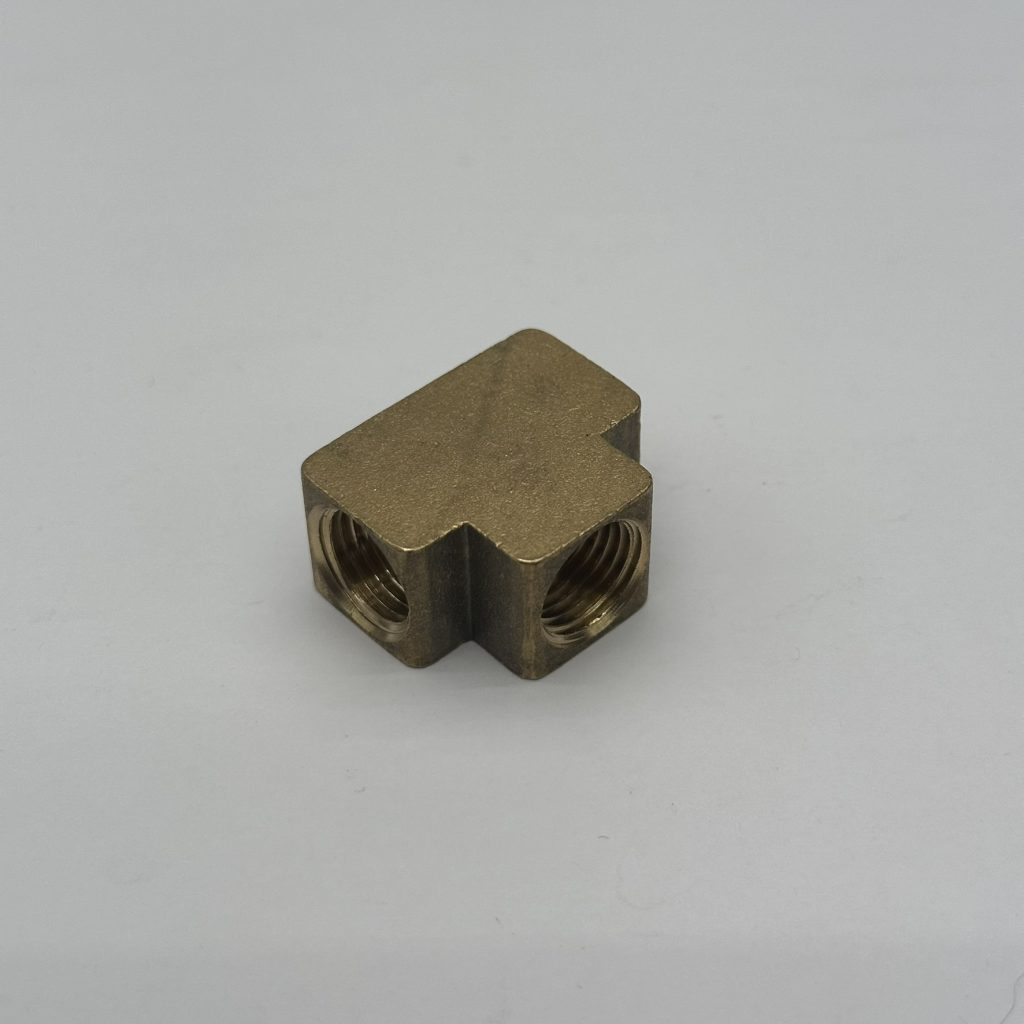
1/4 inch NPT Brass 3 Way Tee
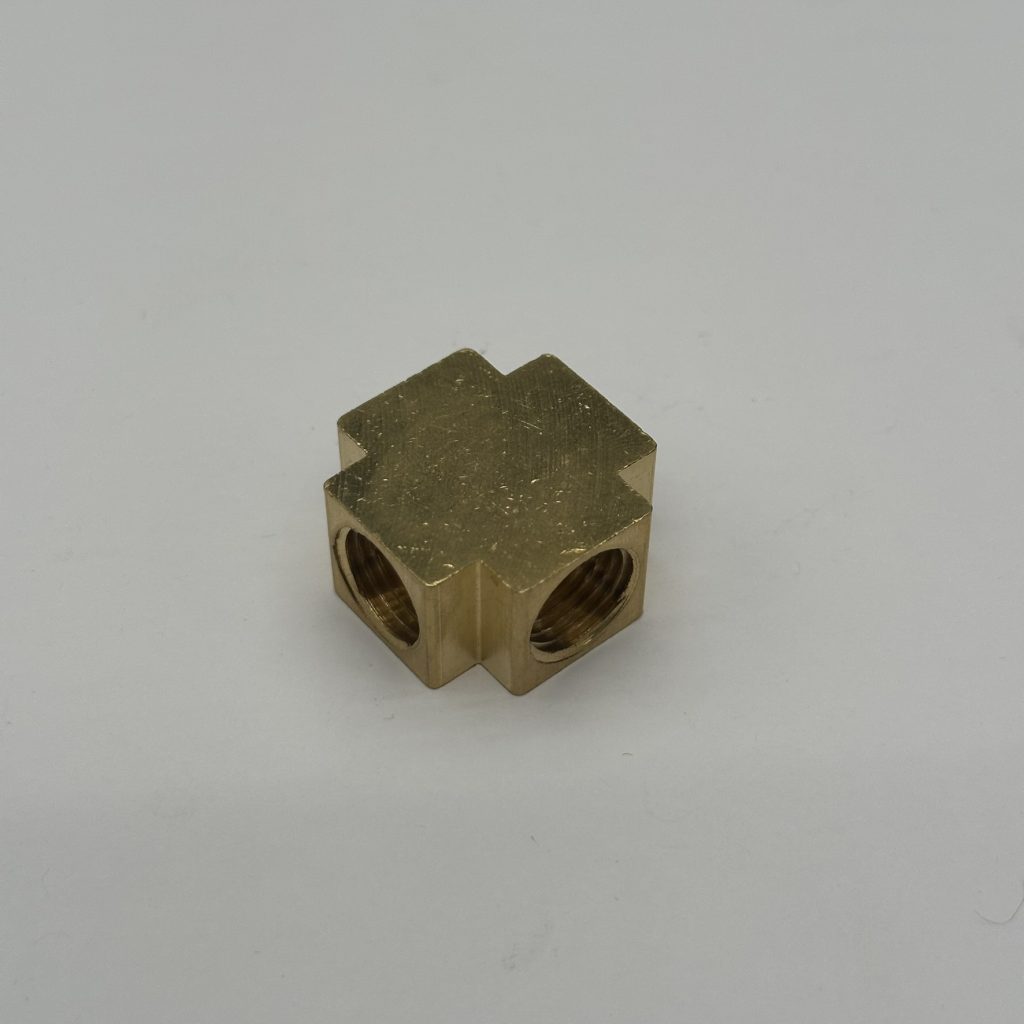
$9.95 HST1/4 inch NPT Brass 4 Way Cross Tee
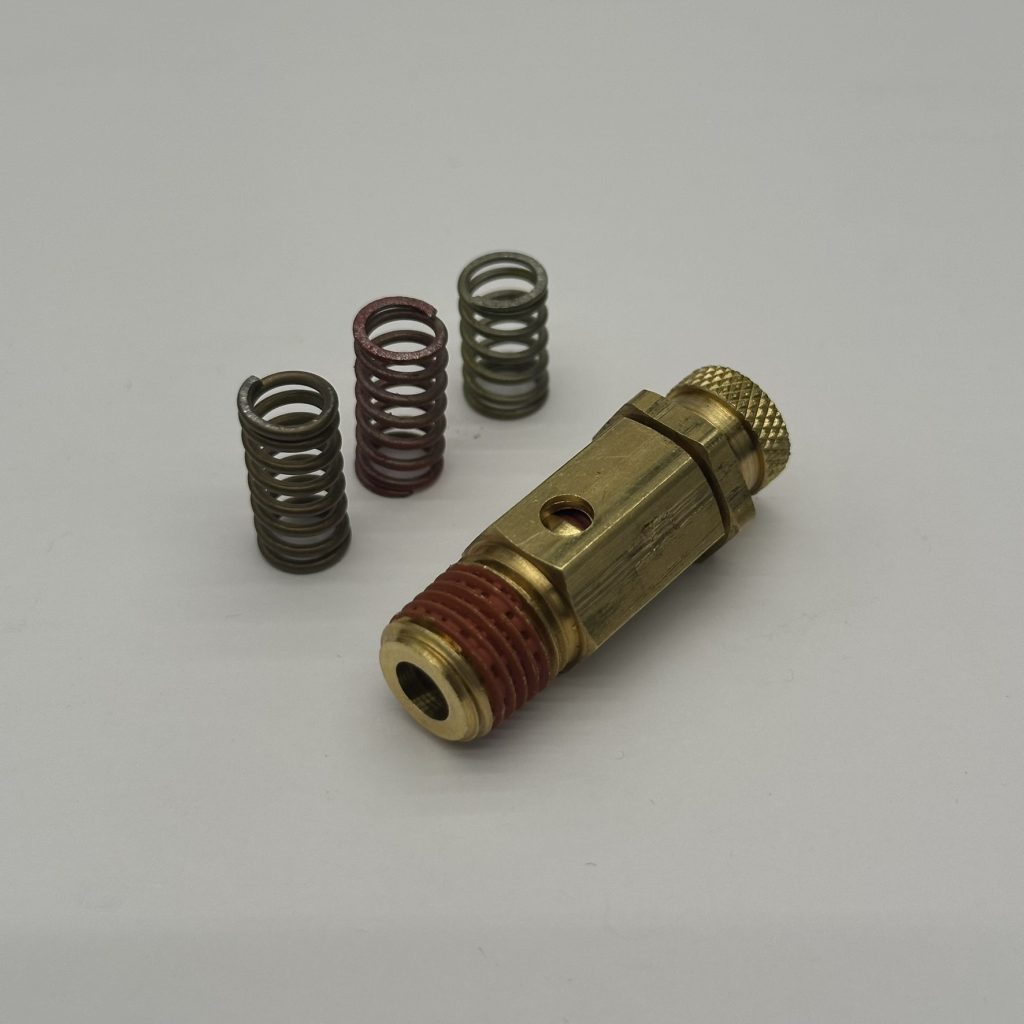
$12.95 HST1/4 NPTM Adjustable Relief Valve
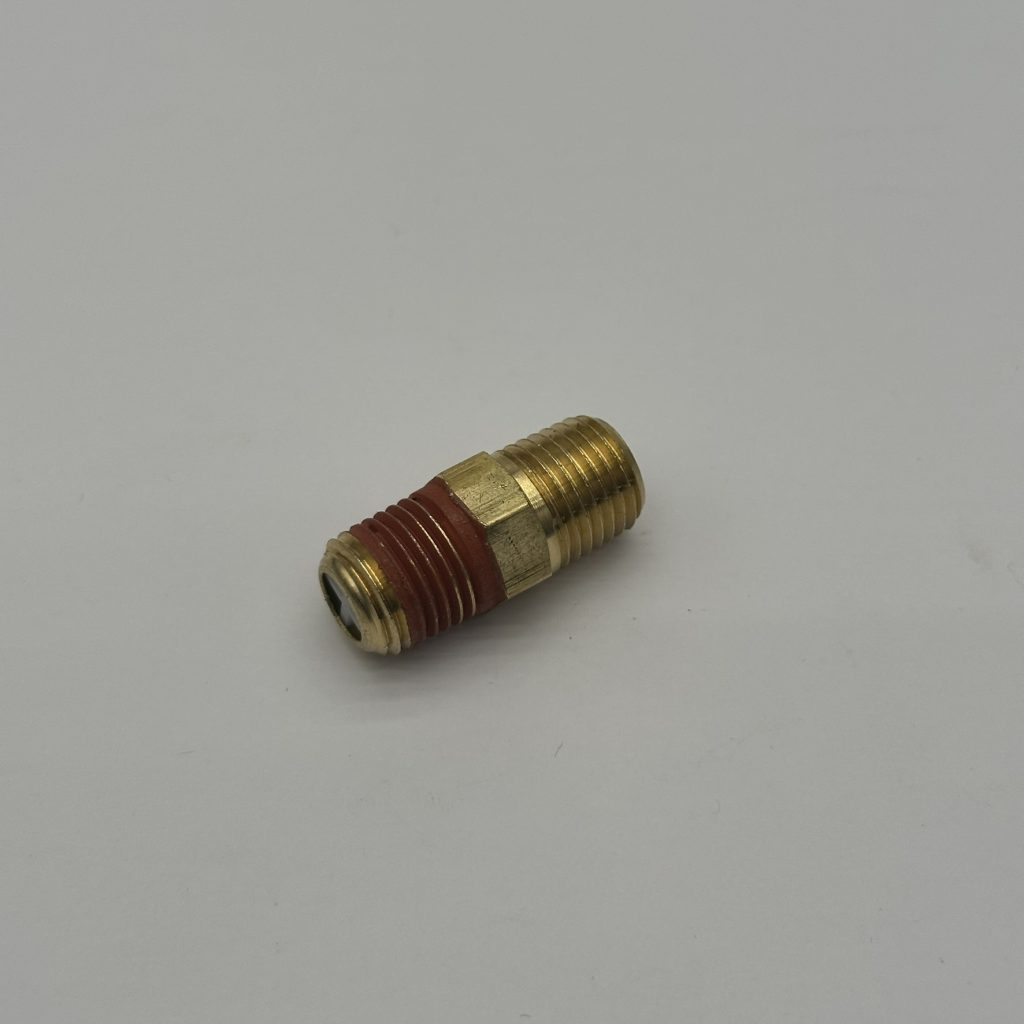
$24.95 HST1/4 NPTM In Line Check Valve
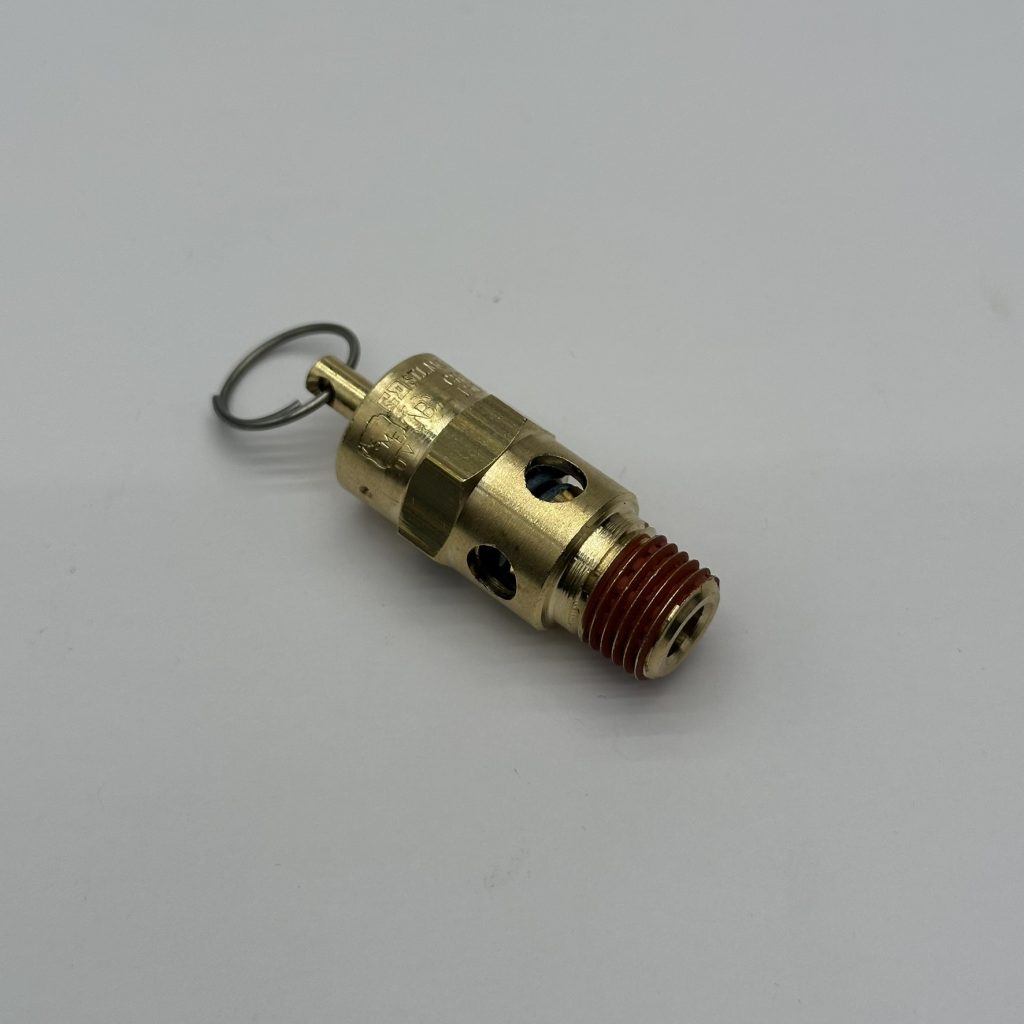
$29.95 HST150psi 1/4 in. NPTM Pressure Relief Valve
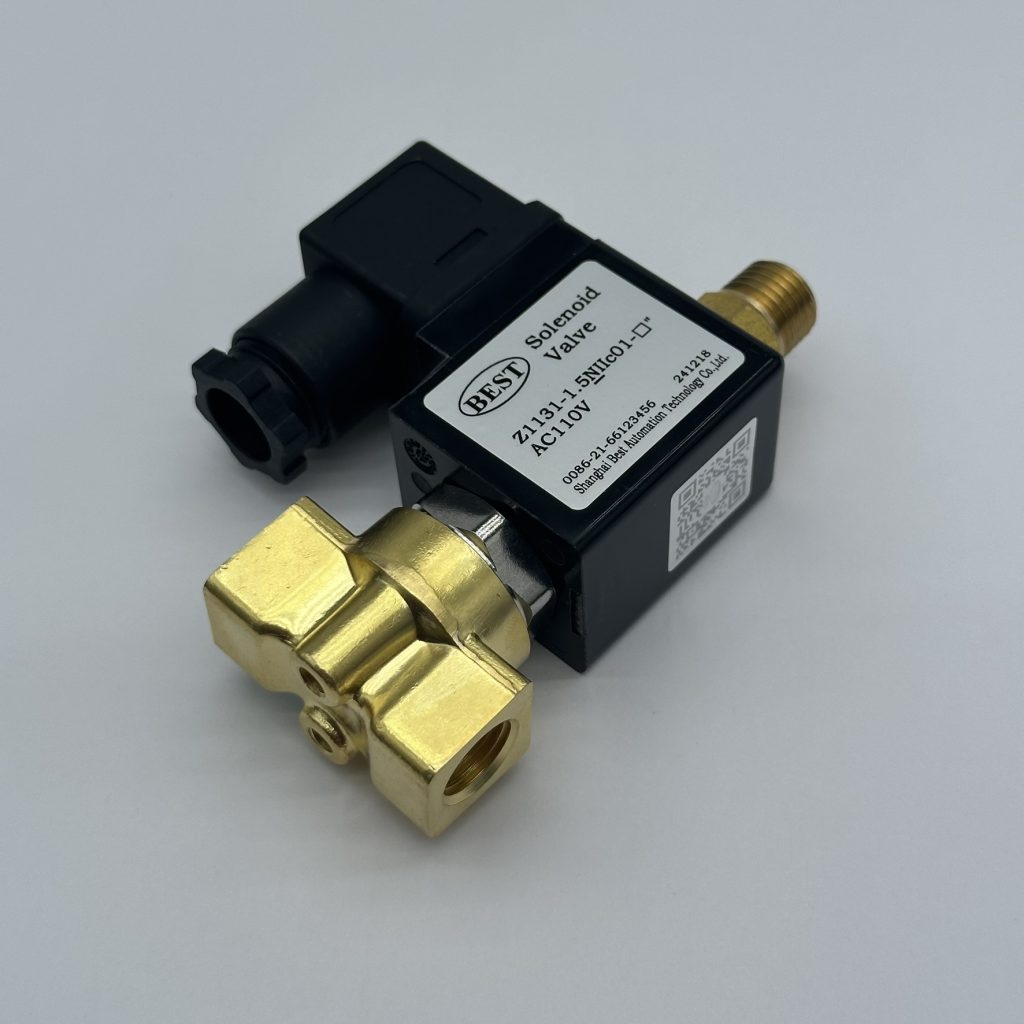
$24.95 HST3/2 Direct Acting Piston Solenoid Valve 110V
Price range: $89.95 through $104.95 HST
Adjustable Pressure Relief Whip
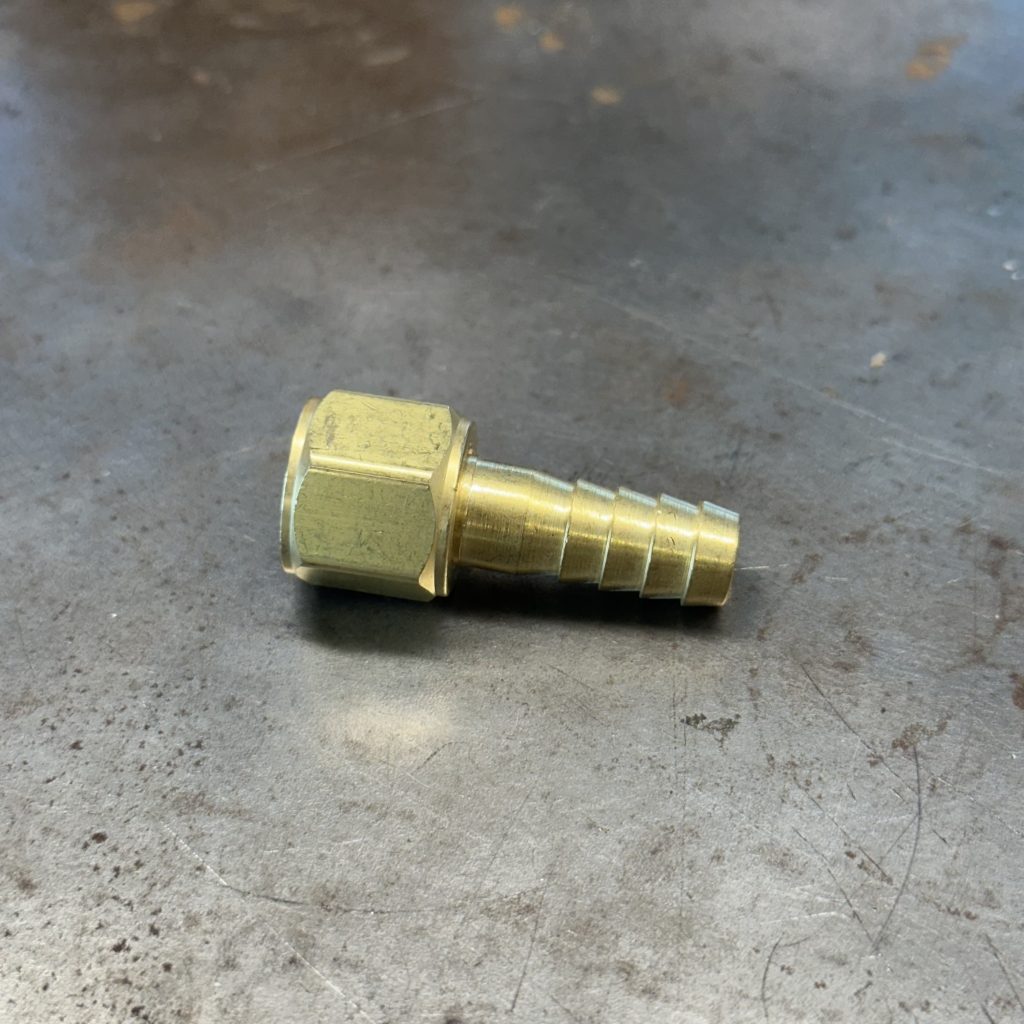
$49.99 HSTHose End – Barb to CGA B with Hose Clamp
$15.95 HST
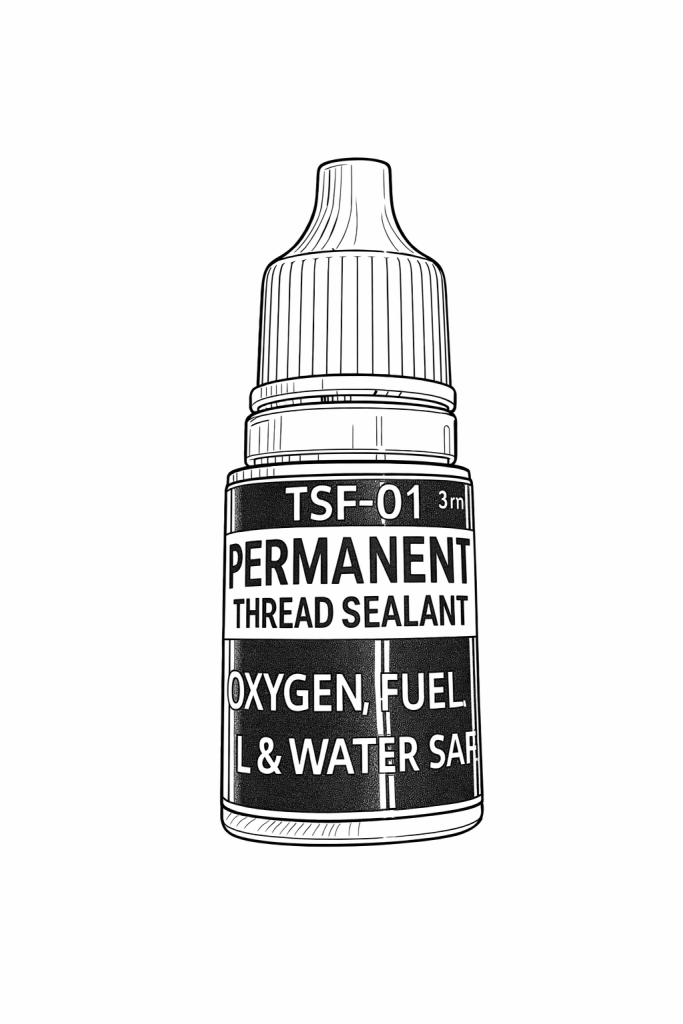
TSF-01 Permanent Thread Sealant
$8.99 HST

If you are unsure which valve your system requires, contact our team. We can help you identify the correct replacement part and keep your equipment operating safely and reliably.
Leave a Reply